The concept of a giant Christ statue over Rio emerged in the 1850s when Padre Pedro Maria Boss suggested a religious monument to inspire faith. Early plans stalled for decades, but this vision planted the seed for Christ the Redeemer, built nearly a century later, becoming a symbol of hope for the city.
Discover the history of Christ the Redeemer | Timeline, controversies & cultural legacy
Explore the fascinating history of Christ the Redeemer, Rio’s most iconic landmark. From the first sketches to its construction and rise as one of the New Seven Wonders of the World, learn about the milestones, controversies, and transformations that make this monument a must-visit symbol of faith and unity.
Christ the Redeemer timeline
1850s to 1920s: The idea to build a monumental statue of Christ emerges to symbolize Brazil’s modern identity and religious devotion.
1922: Construction begins under the guidance of engineer Heitor da Silva Costa, marking the start of a grand endeavor on the peak of Corcovado Mountain.
1931: Christ the Redeemer is inaugurated on October 12, becoming an instant icon for Rio de Janeiro and Brazil.
Mid-20th century: Minor maintenance and cleaning work are undertaken, ensuring the monument’s survival amid harsh weather.
2000s onward: Comprehensive restoration projects and periodic cleaning efforts address weathering and lightning strikes, reinforcing its stature as a national treasure.
Christ the Redeemer history explained
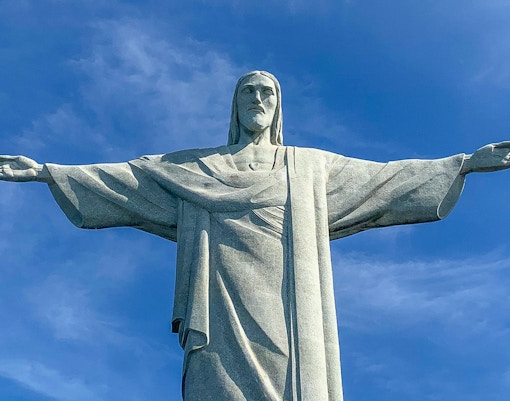
Early ideas & vision (1850s–1920)
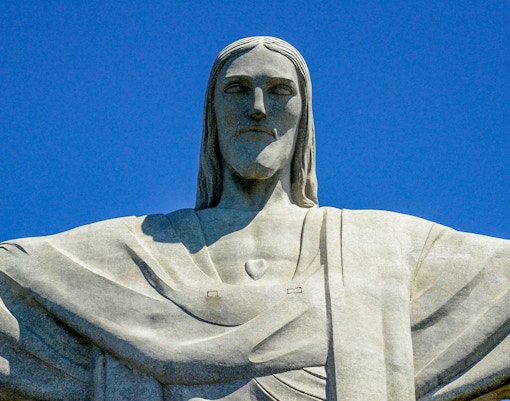
Design & construction (1922–1931)
Construction began in 1922, and Christ the Redeemer was completed in 1931. Brazilian engineer Heitor da Silva Costa oversaw the project, while French sculptor Paul Landowski crafted the iconic figure. With an 8-meter pedestal, Christ the Redeemer reaches 38 meters (125 feet) in height and dominates Rio’s skyline.
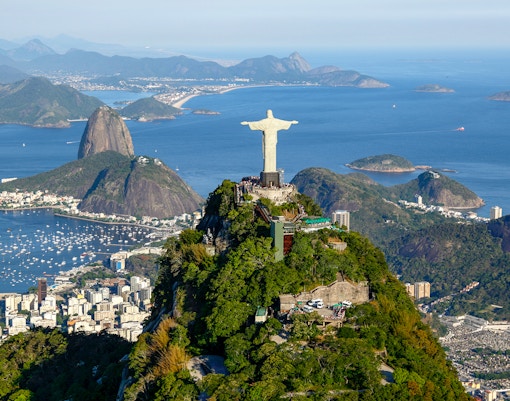
Dedication & symbolism (1931–1950s)
The statue was inaugurated in 1931 to represent Brazil’s Christian identity. The purpose of Christ the Redeemer was to provide spiritual protection over Rio and foster unity during a time of rapid modernization. It quickly became a pilgrimage site and a global emblem of faith and peace.
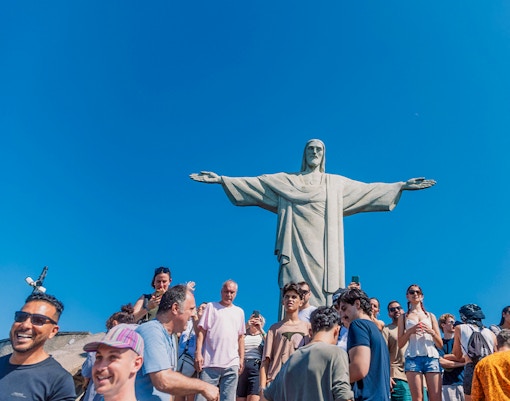
Modern era & preservation (1960s–present)
Over the years, the statue has endured natural challenges, including repeated Christ the Redeemer lightning strikes. Preservation efforts now include lightning protection and restorations. Today, it stands as a UNESCO World Heritage site and one of the most recognized landmarks worldwide.
Christ the Redeemer today
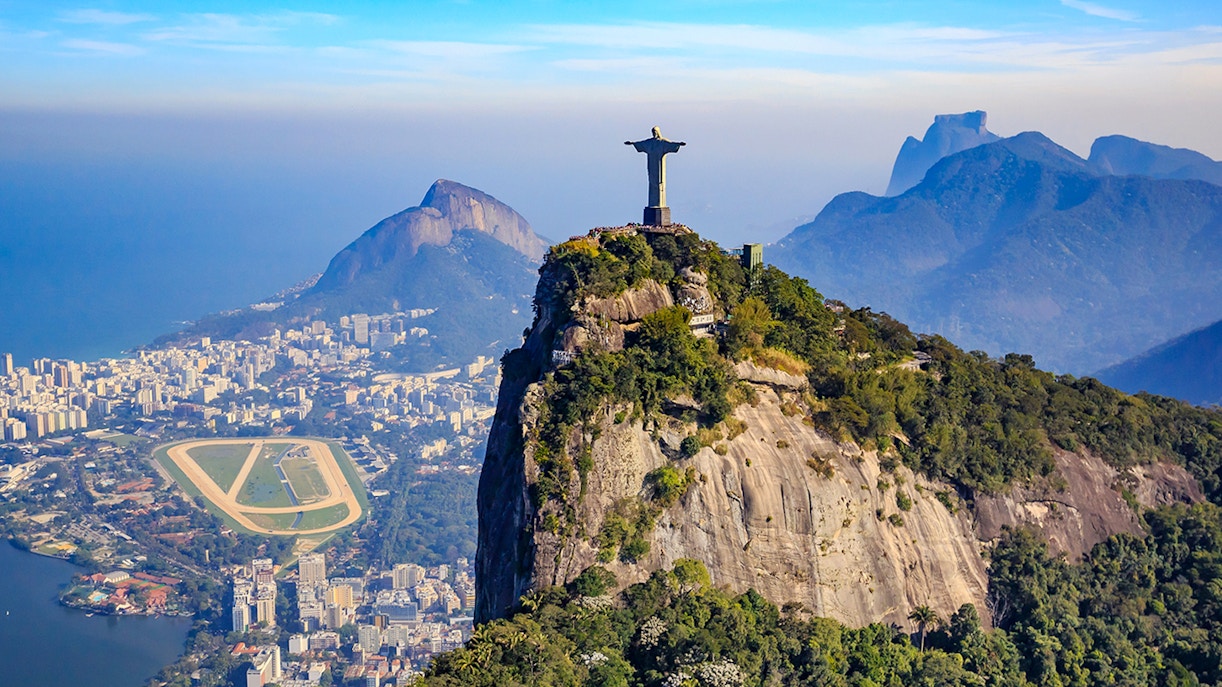
Rising dramatically over Rio de Janeiro, Christ the Redeemer is a global symbol of faith, peace, and hope. Named one of the New Seven Wonders of the World, it amazes not just for its commanding presence, but for what it represents: unity, resilience, and Brazil’s cultural identity.
Visitors flock to Mount Corcovado to stand beneath its outstretched arms, marvel at the Art Deco craftsmanship, and bask in sweeping views of Rio, Sugarloaf Mountain, and the sparkling waters of Guanabara Bay. Protected against lightning strikes, the monument continues to inspire millions, a timeless reminder of human creativity and the enduring power of symbols that transcend borders.
Christ the Redeemer facts
1/7
Nine years of mastery
It took nearly a decade (1922–1931) to complete Christ the Redeemer, making it the fourth-tallest Jesus statue in the world, after Poland’s Christ the King, Bolivia’s Cristo de la Concordia, and Brazil’s own Cristo Protetor.
From globe to open arms
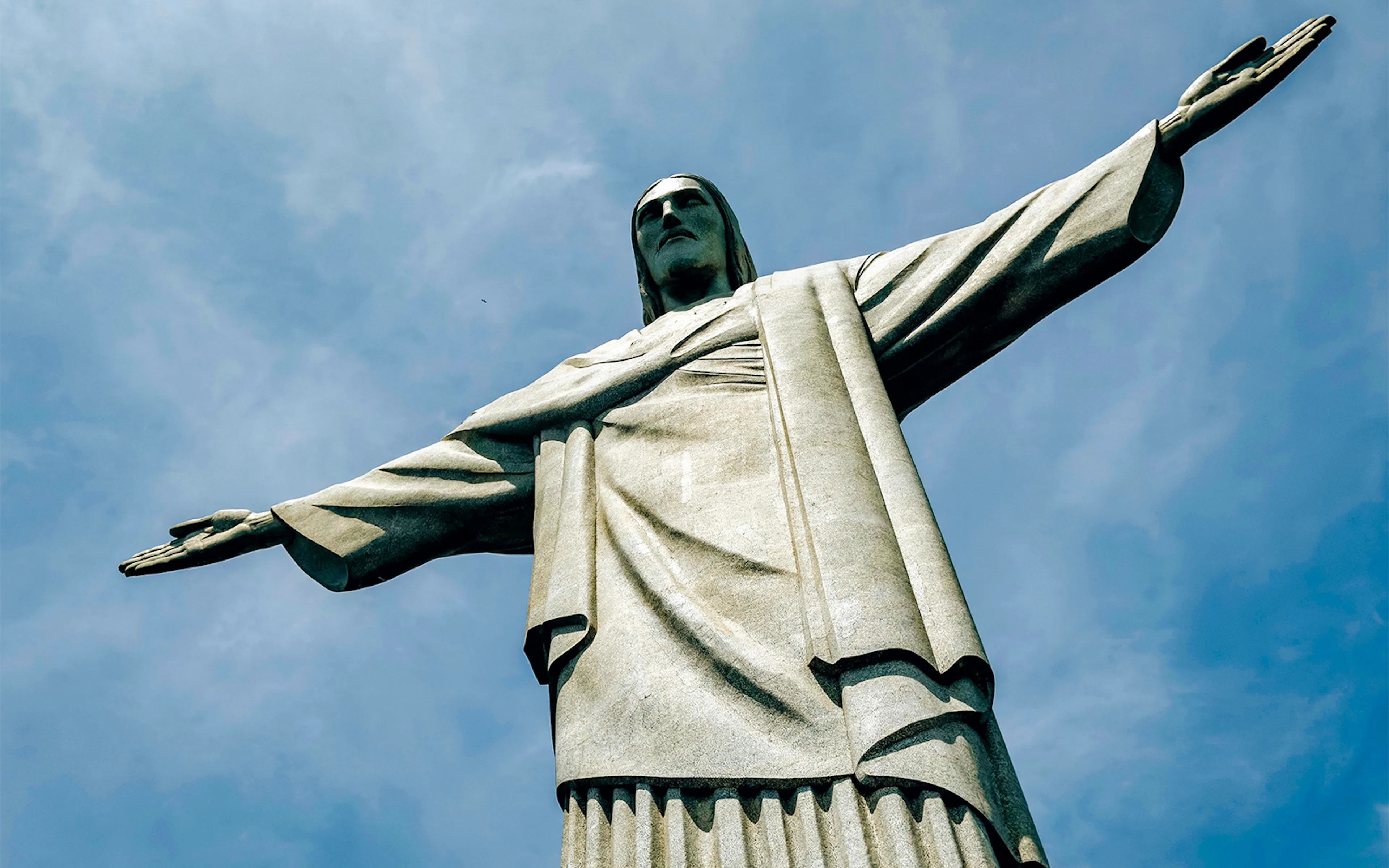
The original design had Christ holding a globe and a cross. Thanks to designer Oswald, we now have the iconic outstretched arms, a gesture of peace and welcome to Rio.
A lightning magnet
Perched on Mount Corcovado, the statue attracts lightning strikes every year. Major strikes in 2008 and 2014 even damaged the head, brows, and fingers.
Voted a wonder
In 2007, Christ the Redeemer was named one of the New Seven Wonders of the World, earning global recognition for its breathtaking design, cultural impact, and status as a symbol of peace and unity.
Pirelli controversy
In 1998, football star Ronaldo mimicked Christ’s iconic pose in a Pirelli Tires ad, causing outrage. Ironically, Pirelli later funded restoration work in 2014.
Dressed for the occasion
On special events, Christ the Redeemer gets dressed in lights, like during the 2014 World Cup, when it glowed in the national colors of competing countries.
Movie star status
Christ the Redeemer is a global movie star, appearing in films like Fast & Furious 5, 2012, Dhoom 2, and Romeo + Juliet, showing off its iconic presence on the big screen while symbolizing Rio and Brazilian culture worldwide.
Frequently asked questions about Christ the Redeemer's history
Construction began in 1922, and the monument was officially inaugurated on October 12, 1931.
The design was led by engineer Heitor da Silva Costa, with construction executed by a dedicated team of local craftsmen and laborers.
Its inception was driven by Brazil’s desire to mark national independence, modernize its image, and unite a diverse populace during times of change.
Christ the Redeemer embodies the nation’s cultural pride and serves as a unifying symbol that reflects Brazil’s journey of progress, modernization, and resilient spirit.
Periodic cleaning, minor repairs mid-century, and comprehensive restoration projects in the 2000s have maintained the statue’s structural integrity and visual splendor.
Its majestic form and universal message of open-armed welcome have turned the monument into a beacon of hope and peace, resonating with people worldwide as a symbol of unity and reconciliation.